
Custom Header
GOLF
Treatment Leaders in Nevada
Providing orthopaedic excellence and top-tier care to every patient, Desert Orthopaedic Center is your trusted source for advanced bone, joint, and muscle care tailored specifically for golfers.
Staying active is an important part of overall health and wellness, and golf is a great way to maintain both physical and mental fitness while enjoying time on the course. Like any sport, however, golf carries a risk of injury. The repetitive nature of the swing places ongoing stress on the spine, shoulders, elbows, hips, and wrists, making golfers a unique group of athletes who require specialized care.
At Desert Orthopaedic Center, we understand the specific demands of the game and focus on treating a wide range of golf-related orthopaedic conditions. When an injury occurs, returning to play safely and effectively often requires a collaborative approach with experienced professionals who can deliver care tailored to your needs.
Our team is made up of board-certified and fellowship-trained doctors with advanced training in sports medicine. With extensive experience in diagnosing and treating golf-related injuries, they take a personalized, team-based approach to care, focused on relieving pain, restoring movement, and helping you return to the course safely and confidently.
Exclusive Regional Doctors for

Proud to be part of the elite national group The Golf Docs, our experts at Desert Orthopaedic Center offer invaluable insights into injury prevention and performance enhancement. As a part of The Golf Docs, we are dedicated to assisting you in achieving peak performance on the course.
Preparing for Golf & Preventing Injury
While golf may appear low-impact, the repetitive motion of the swing places ongoing stress on key muscle groups and joints. Proper preparation is essential to reducing injury risk and improving performance.
Incorporating flexibility, strength training, and mobility work into your routine can enhance stability and endurance. A consistent warm-up before each round also helps prepare your body for the demands of play.
The exercises below are recommended by Desert Orthopaedic Center doctors to improve movement, support stability, and help prevent injury.
Injury Prevention Exercises
TORSO ROTATION STRETCH
- Stand upright with your feet shoulder-width apart and your arms crossed over your chest.
- Slowly rotate your upper body to one side while keeping your hips facing forward.
- Continue until you feel a gentle stretch through your torso and lower back.
- Hold for 15 to 20 seconds.
- Repeat on the opposite side.
SIDE PLANK
- Begin by lying on your side with your elbow positioned directly under your shoulder and your legs extended.
- Lift your hips off the ground, creating a straight line from your head to your feet.
- Keep your core engaged and avoid letting your hips drop.
- Hold for 20 to 40 seconds, then switch sides.
HIP ROTATION
- Lie on your side with your knees bent and arms extended straight out in front of you.
- Keeping your knees together, slowly rotate your top arm across your body, opening your chest toward the opposite side.
- Allow your upper back to rotate while keeping your lower body stable.
- Hold for 10 to 15 seconds and return to the starting position.
- Repeat on the other side.
WRIST FLEXOR STRETCH
- Extend one arm straight in front of you with your palm facing upward.
- Use your opposite hand to gently pull your fingers downward toward the floor.
- Continue until you feel a stretch along your forearm.
- Hold for 20 to 30 seconds.
- Switch arms and repeat.
SQUATS
- Stand with your feet shoulder-width apart and your toes pointed slightly outward.
- Lower your body by bending your knees and pushing your hips back while keeping your chest upright.
- Keep your weight through your heels as you descend.
- Push through your heels to return to a standing position.
- Repeat for 10 to 15 repetitions.
Who to See
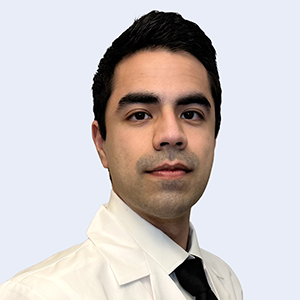
Ajit K. Amesur, D.O.
Originally from Columbus, Ohio, Dr. Ajit Amesur graduated from The Ohio State University, earning a Bachelor of Science degree in biology. He continued on to Ohio University Heritage College of Osteopathic Medicine, completing his Doctor of Osteopathic Medicine degree. Dr. Amesur then underwent an orthopaedic surgery residency at Valley Hospital Medical Center in Las Vegas. Refining his training, he then completed a hand fellowship at Rutgers New Jersey Medical School.
As a fellowship-trained hand surgeon, Dr. Amesur is extremely…
Who to See
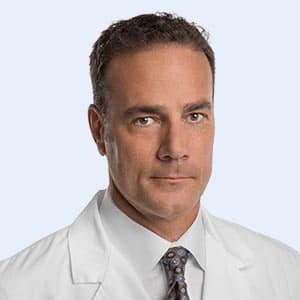
John M. Baldauf, M.D.
Dr. Baldauf graduated from The University of Arizona in 1984. He received his medical degree in 1988 from Jefferson Medical College at Thomas Jefferson University in Philadelphia followed by orthopaedic training at Tulane University School of Medicine and Charity Hospital in New Orleans. Dr. Baldauf then served as chief of orthopaedic surgery for nine years with the U.S. Air Force from 1995 until 2004, including a six-month deployment to the Middle East during the Second Gulf War. Originally from Arizona, he has lived in the Las Vegas…
Who to See
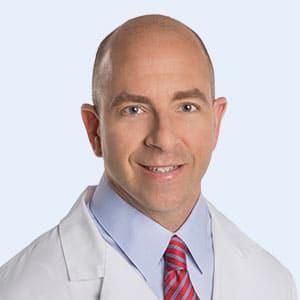
Hugh L. Bassewitz, M.D.
Dr. Hugh Bassewitz specializes in cervical and lumbar spine surgery, robotic surgery, microsurgery, and minimally invasive surgery. He also performs complex spine reconstruction via minimally invasive techniques. These options allow many patients to have complex surgeries in an outpatient setting. Dr. Bassewitz’s expertise with minimally invasive techniques allows for quicker recovery and a faster return to normal function.
Dr. Bassewitz graduated from Tufts University with a Bachelor of Science degree in biology. He received his…
Who to See
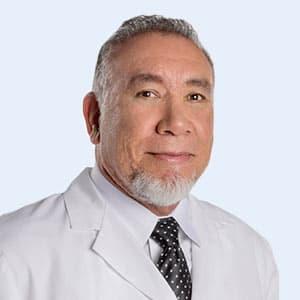
Thomas Dunn, M.D.
Dr. Dunn received a bachelor's degree in biology from the University of California, San Diego. He graduated from the University of California, Irvine School of Medicine, receiving a medical degree in 1985. Deciding to pursue a career in surgery, he completed two years of general surgery training at the University of California, Irvine Medical Center followed by four years of orthopaedic surgery training at the same facility. To follow his interest in spine surgery, he was accepted to additional subspecialty surgery training at the…
Who to See
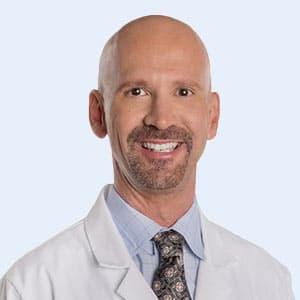
Roger A. Fontes, M.D.
Dr. Fontes completed medical school with highest honors at Washington University School of Medicine in St. Louis (the third-ranked medical school in the U.S. in 2009). He then completed an orthopaedic surgery residency at the University of California, San Francisco.
Following residency, he traveled to Europe to study with some of the world experts in trauma and shoulder surgery. An additional fellowship in Italy with Dr. Maurizio Catagni, a recognized pioneer in Ilizarov surgery, added significant experience with this powerful…
Who to See
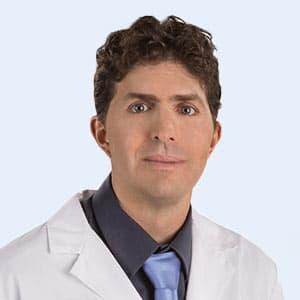
Matthew N. Fouse, M.D.
Matthew N. Fouse, M.D., attained a Bachelor of Science in biology and a Bachelor of Arts in chemistry at Southern Methodist University in Dallas, Texas. He then moved on to Tulane University School of Medicine and graduated in 2001. While in medical school, he received a Masters of Public Health at Tulane School of Public Health and Tropical Medicine. He completed his orthopaedic residency at McGill University in Montreal, Canada. Dr. Fouse received advanced training in sports medicine and arthroscopic treatment of shoulder and…
Who to See
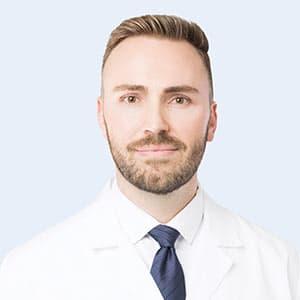
Kyle J. Hancock, M.D.
Dr. Kyle Hancock is a board-certified and fellowship-trained sports medicine surgeon who specializes in minimally invasive arthroscopic surgery of the hip, knee, shoulder, and elbow. Having provided sports medicine care for professional athletes of the NFL, NBA, NHL, MLB, WNBA, and UFC, Dr. Hancock understands the unique needs of athletes. He uses his experience to provide the highest level of care to his athletes of all levels and his nonathlete patients as well. Dr. Hancock believes there is no greater reward than seeing his patients…
Who to See
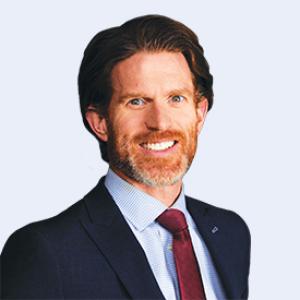
Chad M. Hanson, M.D.
Chad Hanson, M.D., is a native of Amarillo, TX. He graduated summa cum laude from the University of Nebraska at Omaha. He went on to earn his medical degree at the University of Texas Southwestern Medical Center at Dallas, where he was elected to the Alpha Omega Alpha Honor Medical Society. Dr. Hanson completed his postgraduate orthopaedic surgery residency at the University of Texas Southwestern Medical School. As a chief resident, he was chosen by his peers to receive the program's G. Truett James, MD, "Excellence in Teaching" Award. He…
Who to See
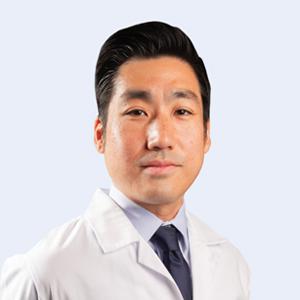
Yuichiro Hayashi, M.D.
Dr. Yuichiro Hayashi is a double board-certified anesthesiologist and pain management specialist.
Dr. Hayashi went to the University of California, Irvine to complete his undergraduate degree in biological sciences before attending the Medical College of Wisconsin for his medical degree. At the University of California, Los Angeles, Dr. Hayashi completed his categorical internship, anesthesiology residency, and pain medicine fellowship training.
Dr. Hayashi is a dedicated pain management specialist and has also been involved…
Who to See
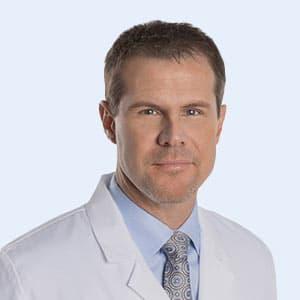
Lawrence R. Huff, M.D.
Coming from an Air Force family, Dr. Huff moved to Las Vegas in 1980 where he grew up and graduated from Las Vegas High School. After high school, he was presented with a tough decision, either accept an appointment to the Air Force Academy or accept a scholarship to play baseball at California State University at Los Angeles. Staying true to his dream, Dr. Huff accepted the scholarship to CSULA where he earned a Bachelor of Science degree in biology.
His decision paid off because, in 1994, Dr. Huff was drafted by the Philadelphia…
Who to See
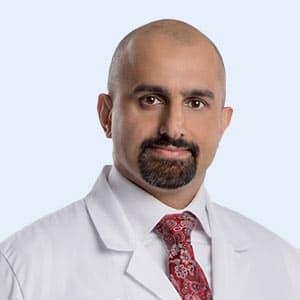
Parminder S. Kang, M.D.
Dr. Kang is a native of the Las Vegas area and is happy to be back in his hometown. He graduated from the Academy of Math, Science, Arts, and Technology at Las Vegas' Ed W. Clark High School. He then graduated with honors in physics from the University of California at Berkeley in 2001. A knee injury in college led him to pursue a career in medicine. Dr. Kang received his medical degree from the State University of New York Downstate Medical Center College of Medicine where he graduated at the top of his class (AOA) in 2005. He then…
Who to See
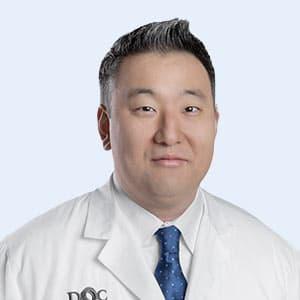
Andrew B. Kim, D.O.
Dr. Andrew Kim was born and raised in the Chicagoland area. He completed his undergraduate degree at the University of Illinois at Urbana-Champaign, where he studied East Asian studies and chemistry. Dr. Kim received his medical degree from Nova Southeastern University College of Osteopathic Medicine in South Florida. He completed his residency training in Physical Medicine and Rehabilitation at the Baylor College of Medicine & The University of Texas Alliance. He trained at several world-renowned hospitals in the Texas Medical Center,…
Who to See
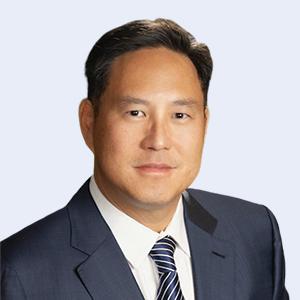
Daniel D. Lee, M.D.
Daniel D. Lee, M.D., has joined Desert Orthopaedic Center. Dr. Lee's professional interests include degenerative, traumatic, and deformity/scoliosis spinal pathologies, as well as complex reconstructions and revision spine surgery. He also holds expertise in the area of general orthopaedic and trauma surgery.
Dr. Lee was born in Brooklyn, New York, and raised in Columbus, Ohio. He received a Bachelor of Arts in political science with distinction in 1993 from Stanford University, California. Dr. Lee received a Doctor of Medicine…
Who to See
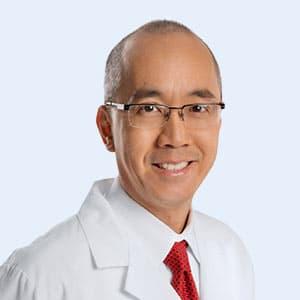
Michael L. Lee, M.D.
Dr. Lee is originally from Michigan and graduated from the University of Michigan Medical School. He completed a 5-year orthopaedic surgery residency at The University of Tennessee Health Science Center, Campbell Clinic. He completed a fellowship, specializing in hand, wrist, and elbow surgery at Columbia University Medical Center College of Physicians and Surgeons and New York Orthopaedic Hospital in New York City. Dr. Lee was in private practice for five years in Corpus Christi, Texas, prior to joining Desert Orthopaedic Center. Dr.…
Who to See
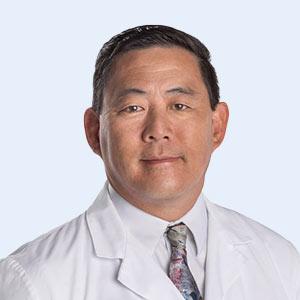
Michael Miao, M.D.
Dr. Miao graduated from Harvard University and the Keck School of Medicine of University of Southern California. He completed his orthopaedic training at the University of Pittsburgh and received advanced fellowship training in knee and shoulder arthroscopic and reconstructive techniques as well as in sports medicine.
He is board-certified and subspecialty-certified in Orthopaedic Sports Medicine. He is a fellow of the American Academy of Orthopaedic Surgeons (AAOS) and is a member of the Arthroscopy Association of North…
Who to See
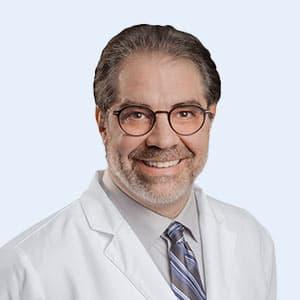
Russell T. Nevins, M.D.
Dr. Russell Nevins is a fellowship-trained, board-certified orthopaedic surgeon. He is an active member of the American Academy of Orthopaedic Surgeons (AAOS) and the American Association of Hip and Knee Surgeons. Dr. Nevins specializes in hip and knee replacements and revisions, including muscle sparing and rapid recovery total hip arthroplasty, such as the anterior approach and percutaneously assisted total hip arthroplasty (PATH). He is dedicated to working with each of his patients individually to create a treatment plan tailored to…
Who to See
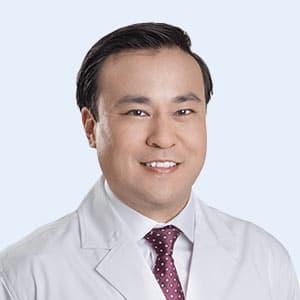
Steven K. Nishiyama, D.O., Ph.D.
Dr. Steven Nishiyama is a board-certified, fellowship-trained orthopaedic surgeon who specializes in hip and knee replacements as well as revision surgery. Although Dr. Nishiyama was born in Hawaii and raised in California, he has called Las Vegas home for over 10 years. He completed both his medical education and surgical training in Las Vegas and takes great pride in serving the Las Vegas community.
Serving as the current President of the Nevada Orthopaedic Society, Dr. Nishiyama brings extensive experience in minimally invasive…
Who to See
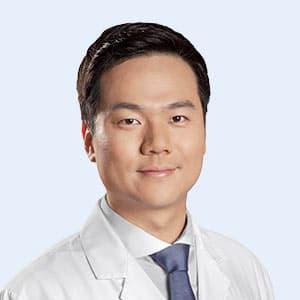
S. Andrew Park, M.D.
Dr. Sungkook Andrew Park is a double board-certified anesthesiologist and pain management specialist.
He went to University of California, Berkeley, to complete his undergraduate degree in bioengineering. He was given the Regents’ Scholarship Award as top incoming freshman and graduated with high honors for his academic accomplishment.
Dr. Park then went on to Washington University in St. Louis for medical school, one of the top medical schools in the nation. He then went to University of California, Los Angeles (UCLA),…
Who to See
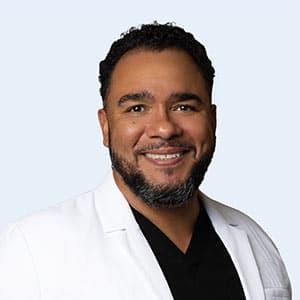
Archie C. Perry, Jr., M.D.
Dr. Archie Perry is a native of the Las Vegas area. He is a graduate of Bishop Gorman High School and the University of Nevada, Las Vegas. He received his medical degree from the University of Nevada School of Medicine in 1998 where he was the recipient of numerous honors including the Regent Scholar Award given by the University of Nevada Board of Regents. Dr. Perry received his orthopaedic surgery training at the Mayo Clinic in Rochester, Minnesota, where he was honored as the top resident of his class. He received his…
Who to See
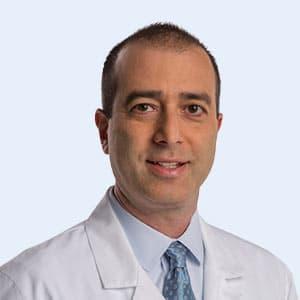
Abdi Raissi, M.D.
Having been with Desert Orthopaedic Center for over 20 years, Dr. Abdi Raissi is a board-certified orthopaedic surgeon whose practice is limited exclusively to foot and ankle surgery. Dr. Raissi is a native of Edina, Minnesota (Go Vikes!), he graduated from Northwestern University in Chicago (Go Cats!) with a computer science degree and went on to receive his Doctor of Medicine from Washington University School of Medicine in St. Louis, which is consistently ranked in the top five medical schools in the United States (Ranked #4 in…
Who to See
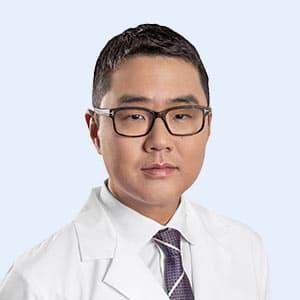
Walter J. Song, M.D.
Dr. Walter Song joined Desert Orthopaedic Center in 2019. He specializes in the surgical and nonsurgical treatment of traumatic and degenerative disorders of the shoulder, elbow, wrist, and hand. His practice includes sports-related injuries, work-related injuries, repetitive-use injuries, fractures, dislocations, nerve and tendon disorders, and arthritis. He has trained in the latest techniques for arthroscopic surgery, including shoulder rotator cuff repair.
Dr. Song graduated from the University of Virginia in 1998 with a Bachelor…
Who to See
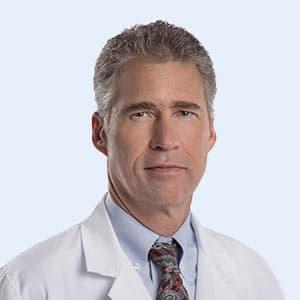
Timothy B. Sutherland, M.D.
Dr. Sutherland attended The University of Chicago Pritzker School of Medicine and graduated with honors in 1987. He completed his internship and residency in orthopaedic surgery at the University of California Davis Medical Center in Sacramento, California. Dr. Sutherland received advanced fellowship training in sports medicine, arthroscopic, and reconstructive surgery at the internationally renowned American Sports Medicine Institute in Birmingham, Alabama. As a fellow, he was involved in the education and treatment of many…
Who to See
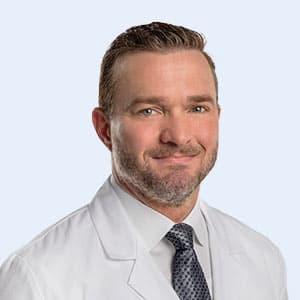
Craig T. Tingey, M.D.
Dr. Craig Tingey earned his Bachelor of Science degree in human biology from Brigham Young University, followed by his Doctor of Medicine from Wake Forest University in North Carolina. After completing medical school, he scored in the 96th percentile (top 4% nationally) on the United States Medical Licensing Exam. He completed his surgical internship and orthopaedic surgical residency at Loma Linda University School of Medicine in Southern California where, as chief resident, he was awarded the Leonard Marmor Award for "Excellence in…
Who to See
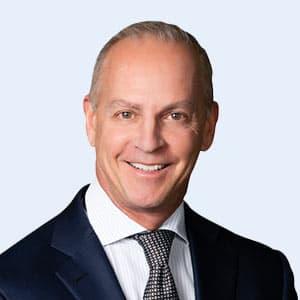
Troy S. Watson, M.D.
Dr. Troy Watson is a board-certified orthopaedic surgeon specializing in the treatment of foot and ankle disorders and arthroscopy. After graduating from the University of Southern California, he received his medical degree from Georgetown University School of Medicine in Washington, D.C., graduating in 1994 with honors. A one-year surgical internship was then completed at the University of California Los Angeles before beginning his orthopaedic training at Tulane University School of Medicine in New Orleans.
To pursue his…
Who to See
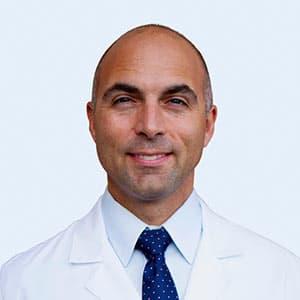
Richard P. Winder, M.D.
Richard P. Winder, M.D., is a native of Logan, Utah. He graduated as valedictorian from Logan High School and cum laude from Brigham Young University. He went on to receive his medical degree at the University of Texas Southwestern Medical School in Dallas. Dr. Winder completed his orthopaedic surgery residency at Mayo Clinic in Rochester, Minnesota.
Following his residency, Dr. Winder was invited to participate in a sports medicine fellowship at the prestigious American Sports Medicine Institute in Birmingham, Alabama, under the…
Who to See
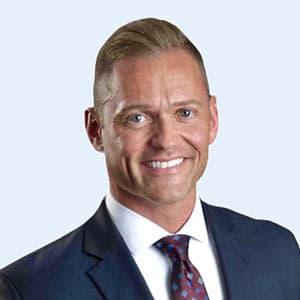
Richard S. Woodworth, M.D.
Dr. Richard Woodworth is a board-certified, fellowship-trained orthopaedic surgeon who specializes in providing sports medicine care for the hip, knee, and shoulder. His areas of expertise include arthroscopic surgery, rotator cuff repair, shoulder stabilization, ACL reconstruction, meniscus surgery, ligament reconstruction, fracture care, and joint replacement of the hip, knee, and shoulder. Dr. Woodworth has been providing orthopaedic surgical care in the Las Vegas area since 2009. He joined Desert Orthopaedic Center in 2020, and he is…
Who to See
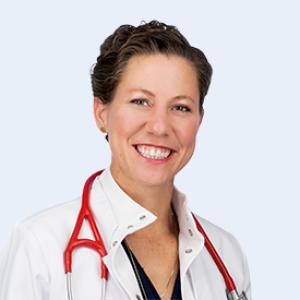
Jessica R. Zarndt, D.O.
Dr. Jessica Zarndt is a board-certified and fellowship-trained primary care sports medicine specialist. She is available to see patients at our Central, Southwest, West Central, and Henderson offices, where she specializes in maximizing nonoperative approaches to sports injuries and orthopaedic concerns. Her approach to medicine is personal and academic, with the goal to educate her patients and keep them active, healthy, and performing.
Dr. Zarndt cares for patients with a wide variety of injuries and concerns, including:…

When to Be Seen
If you are dealing with an injury and continue to play golf or stay active, it can negatively impact your recovery and potentially lead to more serious issues. What may start as minor discomfort can develop into a condition that keeps you off the course longer than expected. Seeking care early from an orthopaedic doctor can help prevent further damage and support a faster, safer return to play.
Our doctors understand that an accurate diagnosis is the foundation of effective treatment. With the right evaluation and care plan, you can address the root cause of your pain and get back to your normal routine with confidence.
You should consider scheduling an appointment if you experience:
- Pain that persists during or after a round of golf
- Difficulty with movement, flexibility, or rotation
- Symptoms that do not improve with rest or at-home care
- Sharp or sudden pain in the shoulder, back, elbow, hip, knee, or wrist
- Weakness, instability, or changes that affect your swing
Common golf-related injuries include:
- Golfer’s elbow
- Rotator cuff injuries and shoulder pain
- Lower back strain or disc-related issues
- Wrist and hand injuries
- Hip and knee overuse conditions
- Tendinitis and muscle strains
Comprehensive Care for Golf Injuries
At Desert Orthopaedic Center, treatment plans are designed around your specific needs and goals. Our doctors focus on conservative, nonsurgical care whenever possible, including physical therapy, activity modification, and targeted rehabilitation.
If surgery is necessary, our team utilizes advanced techniques to support optimal outcomes and faster recovery. From diagnosis through recovery, our goal is to help you return to the course stronger, safer, and more confident.